

There’s a version of marketing that treats people like targets. Demographics, impressions, conversion funnels. Done without anything underneath it, it is hollow, and the people on the other end can tell.
There is another version. It holds a different conviction: that people are not passive recipients of messaging. They are members of communities, carriers of histories, human beings navigating real circumstances. The brands that connect most meaningfully are the ones that communicate as if they already know that.
BWM was built on the second version.
What 2020 revealed

When the murder of George Floyd sparked what historians have called the largest protest movement in American history, brands were suddenly confronted with a question most had never prepared for: what do we say, and how do we say it, when the moment is too real to ignore?
Marketing agencies were uniquely exposed. Because this is exactly when the gap between performative expertise and genuine community connection becomes visible. Anyone can write a statement. What requires something deeper is producing work that speaks to communities in moments of pain and scrutiny, and being trusted enough by your client to make that case in the first place.
The wine industry’s reckoning during this period was particularly public. Research confirmed what many already knew: fewer than 0.1% of American winemakers were Black. A 2019 survey of 3,100 wine industry professionals found that only 2% identified as Black. Organizations rushed to announce task forces and scholarships. The common thread through much of the industry’s response was that it was reactive, incremental, and disconnected from the communities it claimed to want to include.
A case study
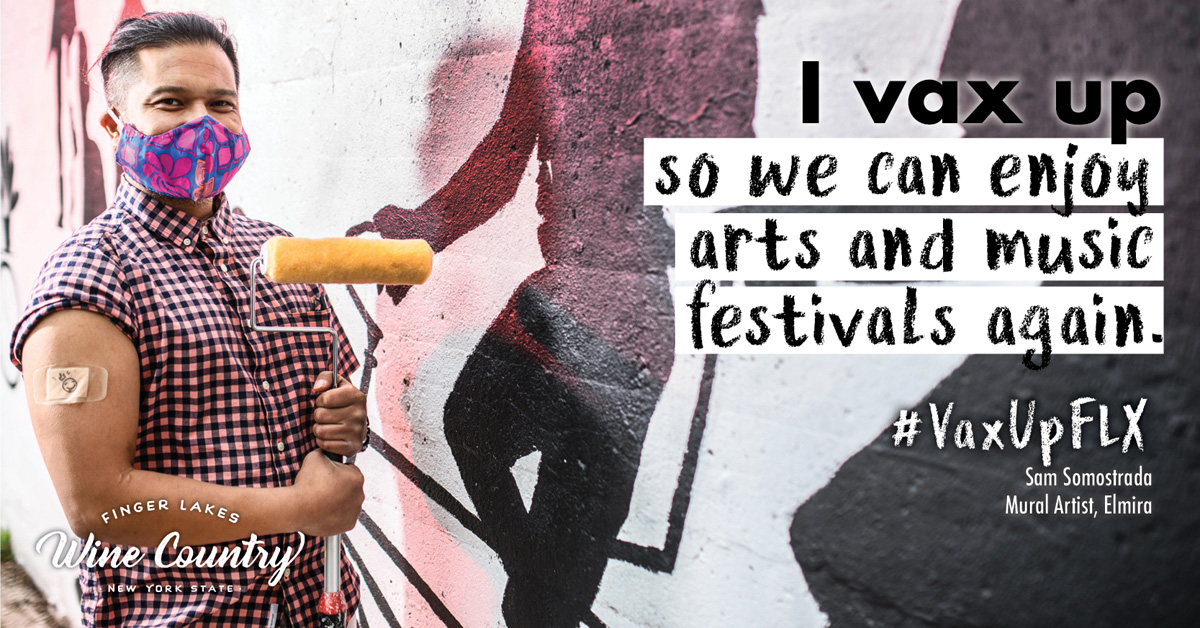
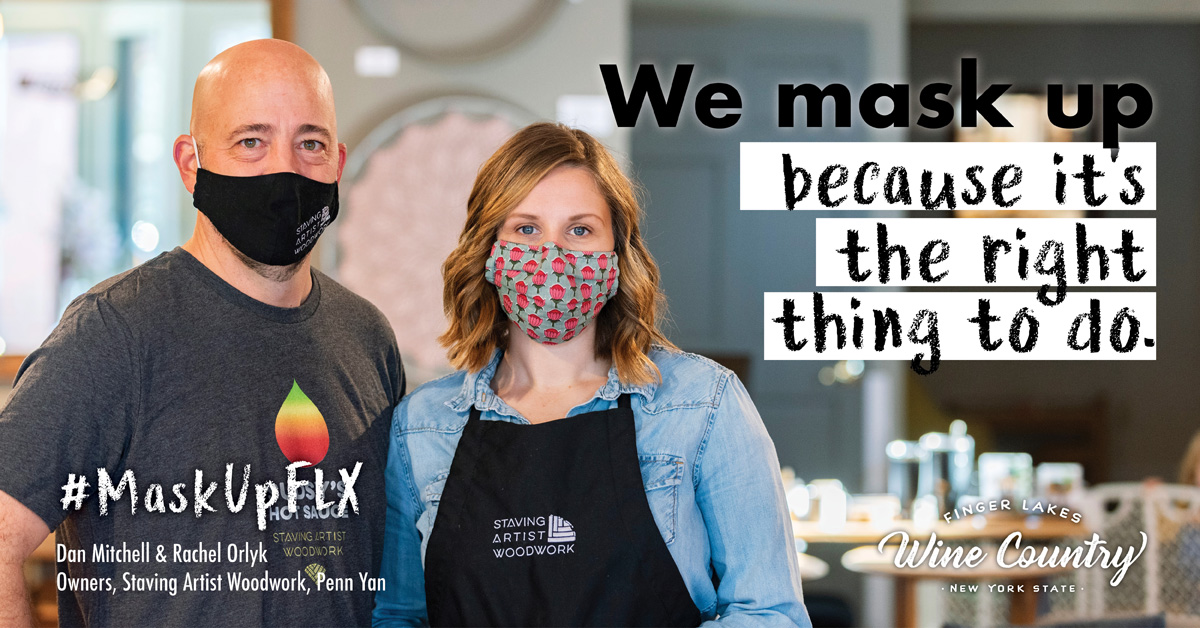
Against that backdrop, Finger Lakes Wine Country was doing something different. The work that earned FLWC national recognition from Wine Industry Advisor as a leader in responsible and inclusive travel marketing did not emerge from a pre-existing organizational comfort with those positions. It emerged from a relationship built over time.
Campaigns like #MaskUpFLX and #VaxUpFLX, featuring real Finger Lakes residents in their own voices on platforms tourism brands traditionally reserve for aspirational lifestyle content, required advocacy from BWM before they required execution. That meant initiating conversations about why it mattered, making the case with evidence and patience, and earning enough trust that a client would feel safe doing something they had never done before.
FLWC’s willingness to extend that trust deserves real credit. That kind of institutional openness is not a given. But it happened because BWM was in the room and understood both sides of the equation: the marketing calculus and the human stakes. Without that dual fluency, the work does not exist.
Why marketing training alone is not enough
Effective communication during a charged cultural moment requires more than knowing how to write copy or run a paid social strategy. It requires understanding how communities function, how trust is built and lost, how history shapes how messaging is received.
This is what community advocacy experience gives you that a strictly marketing-trained team does not have. Advocacy work teaches you to listen before you speak. It teaches you that representation is not a design choice; it is a signal about whose presence is considered real and whose is considered optional. It teaches you that people who have been historically excluded from mainstream storytelling have finely tuned instincts for detecting when their inclusion is genuine and when it is decorative.
The data increasingly confirms what community advocates have known for a long time. Today, 73% of consumers say they would trust a brand more if it authentically reflects today’s culture. Gen Z places 2.7 times as much weight on brand values and actions as older generations and is substantially better at identifying performative inclusion. Edelman’s 2025 Trust Barometer finds that staying silent is no longer low-risk: inaction, it notes, invites commoditization. Eighty-eight percent of buying decisions are influenced by trust. Sixty-four percent of consumers prefer brands that prioritize social causes.
These numbers describe something marketers are finally measuring that community organizers have understood for decades: people want to feel seen. And the work of making someone feel seen is not primarily a creative skill. It is a human one.
The work that lasts
It is 2026. DEI programs announced with fanfare in 2020 were quietly defunded by 2022 and actively dismantled by 2024. Some organizations retreated to what felt like safer ground.
What did not retreat was the underlying reality. B2C consumers are four to six times more likely to buy from and advocate for purpose-driven brands. Sixty-two percent say their purchase decisions are heavily influenced by a brand’s values. Three in four consumers have parted ways with a brand over a conflict in values. These are not 2020 numbers riding a moment of cultural momentum. These are current figures, from a period when the institutional support for this kind of work has actually contracted.
The brands that earn lasting trust are not the ones that respond when cultural pressure peaks and go quiet when it fades. They are the ones with an agency relationship deep enough, and a communication strategy honest enough, to show up for their communities consistently. Not as a campaign. As a practice.
The part no one likes to say out loud
The campaign is not the destination. It is the beginning.
When a brand opens itself to this kind of work, it also accepts a responsibility that extends beyond the ad. If the external messaging changes but the internal culture does not, the audience will eventually notice. And when they do, the damage is substantially worse than if the brand had never made the gesture at all.
Not every client engagement begins with an explicit conversation about advocacy or equity. But at BWM, these values do not wait for an invitation. They show up in the imagery we select, the language we choose, the partnerships we pursue, the voices we amplify, and the design decisions we make before anyone asks. It is not a checklist. It is the operating layer underneath everything we produce.
Why it matters who you hire
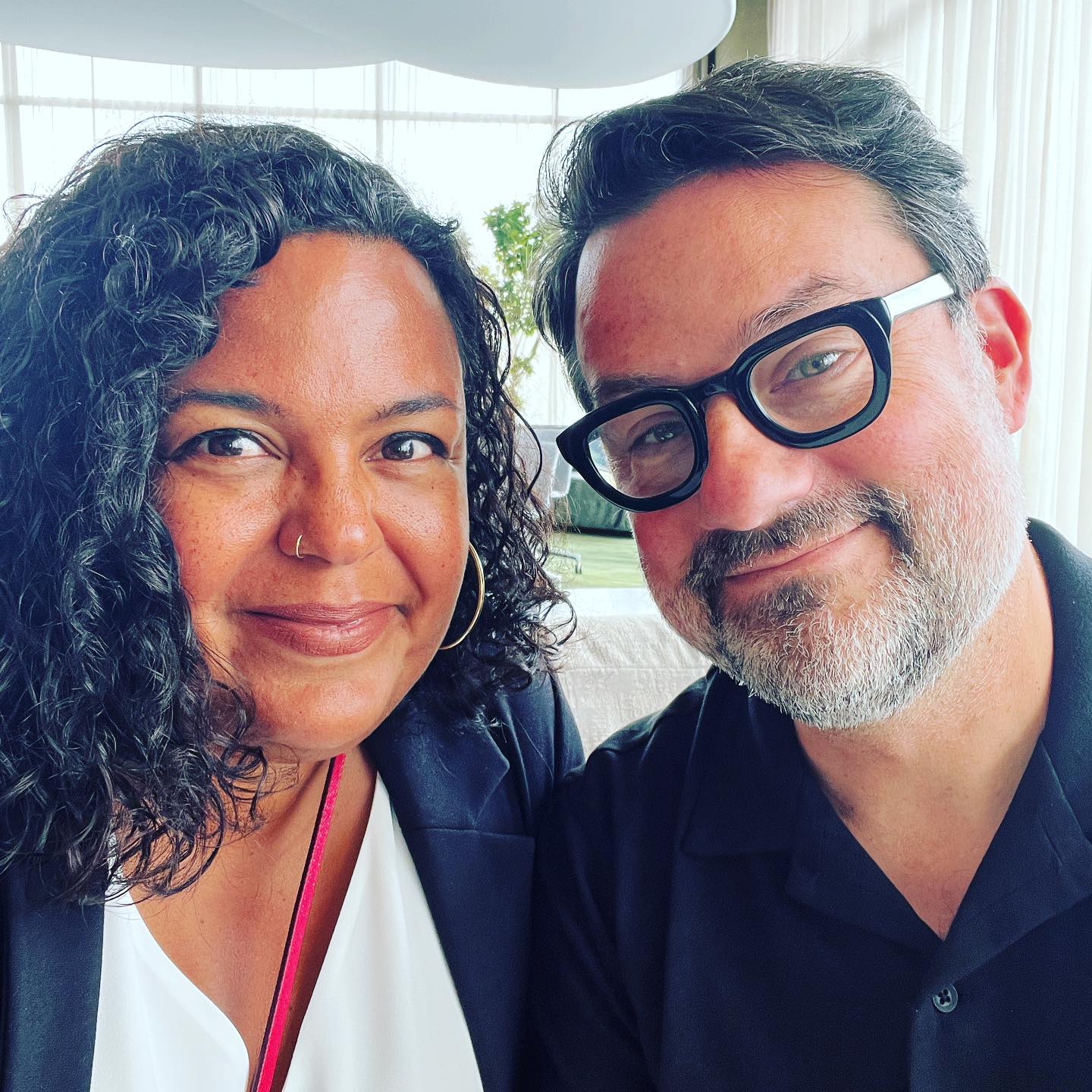
What is genuinely rare is an agency where the people making your brand decisions are trained in communications and rooted in the kind of community engagement work that teaches you what communication is actually for.
When the stakes are high, when the cultural moment is charged, when the community is paying attention, that combination is what you need in the room.
Marketing is a human act. The best version of it has always been. The question is whether the people you hire to do it know it in their bones, or are still learning it from a report.
BWM is a full-service regional marketing agency based in Corning, New York. We handle strategy, content, video, photography, branding, web, and social for organizations that want to connect with their communities in ways that are honest, specific, and built to last. Let’s talk.